
What Is Occupational Therapy for Children?
Occupational therapy for children helps kids gain skills for everyday life. It focuses on making daily activities easier and more enjoyable. For example, children may learn to dress themselves, use utensils, or play with friends. Pediatric occupational therapy supports children who have trouble with movement, coordination, or sensory processing. Because every child is unique, therapists create plans that fit each child’s needs. According to the CDC, early therapy can make a big difference in a child’s growth and independence.
Key Benefits: Daily Living, Motor, and Sensory Skills
Occupational therapy offers many benefits for children. First, it helps improve daily living skills in children, such as eating, dressing, and bathing. Next, it focuses on improving children’s motor skills, which include both fine and gross movements. For example, fine motor skills involve using fingers to button a shirt, while gross motor skills involve running or jumping. In addition, sensory integration therapy for kids helps children respond better to sights, sounds, and touch. As a result, children feel more comfortable and confident in their environment.
Common Conditions Addressed
Many children benefit from occupational therapy. Often, therapists work with kids who have specific challenges. For instance, some common conditions include:
However, occupational therapy can also help children who simply need extra support with daily tasks or social skills. The World Health Organization highlights the importance of early support for children with disabilities.
How Occupational Therapists Help Children
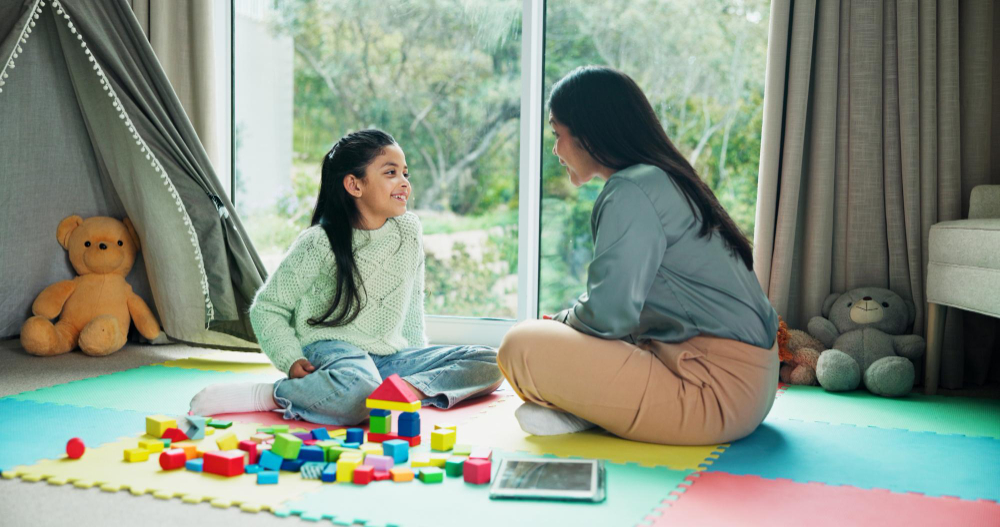
Occupational therapists use many strategies to help children succeed. First, they assess each child’s strengths and challenges. Then, they set clear goals with the child and family. Therapists use fun, play-based activities to build skills. For example, a child may practice cutting paper, stacking blocks, or playing games that improve balance. Therapists also teach children how to manage their feelings and reactions. In addition, they work closely with parents and teachers to support progress at home and school.
What to Expect During Therapy Sessions
During pediatric occupational therapy sessions, children engage in activities that feel like play. However, each activity has a clear purpose. Sessions may last 30 to 60 minutes and happen once or twice a week. At first, the therapist will get to know your child and set goals. Then, each session will focus on building specific skills. For example, a child might work on buttoning a shirt or catching a ball. Therapists track progress and adjust activities as needed. Parents are often invited to join or observe sessions, so they can learn helpful techniques.
Tips for Parents to Support Progress at Home
Parents play a key role in their child’s progress. With simple changes, you can help your child practice new skills every day. Here are some tips:
Above all, be patient and celebrate small successes. Progress may take time, but every step counts.
Prevention and Early Intervention
Early intervention can prevent bigger challenges later. If you notice your child struggling with daily tasks, talk to a professional. For example, signs might include trouble holding a pencil, avoiding certain textures, or difficulty following routines. The CDC recommends early screening and support for children with delays. Because therapy is most effective when started early, do not wait to seek help. Occupational therapy for children can set the stage for lifelong success.
If you have concerns about your child’s development, consult at occupational therapist at Oral and Aural Rehab Centre . They can provide personalized guidance and support for your family.