Introduction
Many children face challenges with speaking and understanding language. Speech therapy helps improve communication skills in children by offering support and guidance. Early help can make a big difference in a child’s life. With the right approach, children can learn to express themselves better and connect with others. In this blog, you will learn how speech therapy for children works and why it is important.
What Is Speech Therapy?
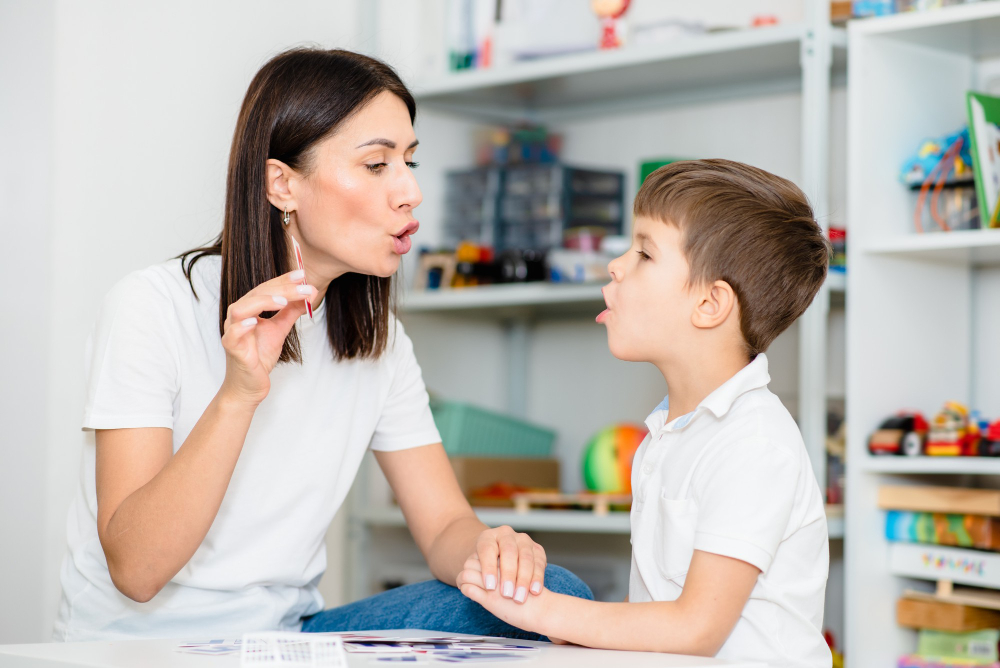
Speech therapy is a special service that helps children who have trouble with speaking, listening, or understanding words. A trained speech therapist works with children to improve their language and speech skills. For example, some children may have trouble saying certain sounds or words. Others may find it hard to follow directions or join in conversations. Speech therapy for children uses fun activities and games to help them learn and grow.
Common Communication Challenges in Children
Many children face different types of communication problems. However, early support can help them overcome these challenges. Some common issues include:
Because each child is unique, their needs may vary. But with the right help, most children can improve their communication skills.
How Speech Therapy Improves Communication Skills
Speech therapy helps children in many ways. First, therapists assess each child’s needs. Then, they create a plan that fits the child. For example, a therapist may use pictures, stories, or games to teach new words. In addition, children practice speaking and listening in a safe space. Over time, these activities help children:
As a result, children can connect better with family, friends, and teachers.
Techniques and Approaches Used in Speech Therapy
Speech therapists use many techniques to help children. Because every child is different, approaches are tailored to their needs. Some common speech therapy techniques include:
Moreover, therapists often involve parents in sessions. This way, children get extra support at home.
Benefits of Early Intervention
Early intervention for speech delay is very important. When children get help early, they often make faster progress. In fact, the American Speech-Language-Hearing Association (ASHA) says early support can prevent bigger problems later. For instance, children who start speech therapy young may do better in school and feel more confident. Early help also makes it easier for children to make friends and join in activities.
Tips for Parents to Support Communication at Home
Parents play a key role in improving child communication. Here are some simple tips to try at home:
Additionally, celebrate small successes to boost your child’s confidence.
When to Seek Help from a Speech Therapist
Sometimes, children need extra help to develop their speech and language skills. You should consider seeing a speech therapist if your child:
Furthermore, if you have any concerns, it is best to ask a professional. Many cities offer speech therapy services for children. Early support can make a big difference.
Consult a certified speech therapist at Oral and Aural Rehab Centre for personalized guidance on your child’s communication needs.